
Best Salads for Blood Sugar Control
Discover evidence-based salad recipes and ingredient combinations designed to support stable blood sugar levels. Our comprehensive guide explores how whole foods work together to promote balanced nutrition and sustained energy throughout your day.
Why Salads Matter for Your Health
Soluble and insoluble fibre from leafy greens and vegetables helps slow nutrient absorption and support digestive wellness.
Raw and lightly prepared salad ingredients retain micronutrients essential for metabolic function and overall vitality.
Mixing different vegetables and proteins in salads ensures you consume a broad spectrum of beneficial compounds daily.
Combining greens with protein and healthy fats creates satisfying meals that support stable energy and mood.
Featured Salad Recipes
Carefully curated recipes that combine vegetables, proteins, and healthy fats to support sustained energy and stable blood sugar.
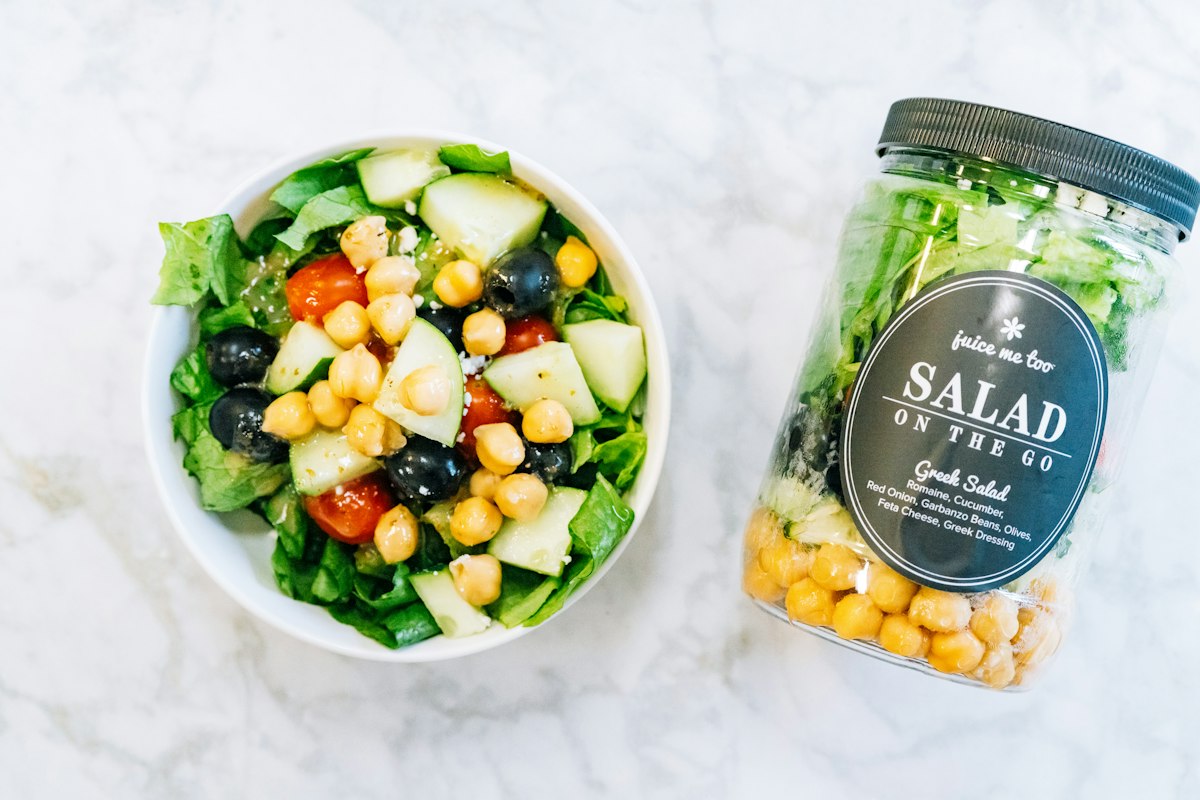
Mediterranean Salad with Chickpeas
Crisp romaine lettuce, cherry tomatoes, cucumber, red onion, Kalamata olives, and protein-rich chickpeas dressed with olive oil and lemon juice. The fibre and plant-based protein make this a filling, blood-sugar-friendly option.
- High in plant-based protein
- Rich in soluble fibre
- Supports digestive wellness
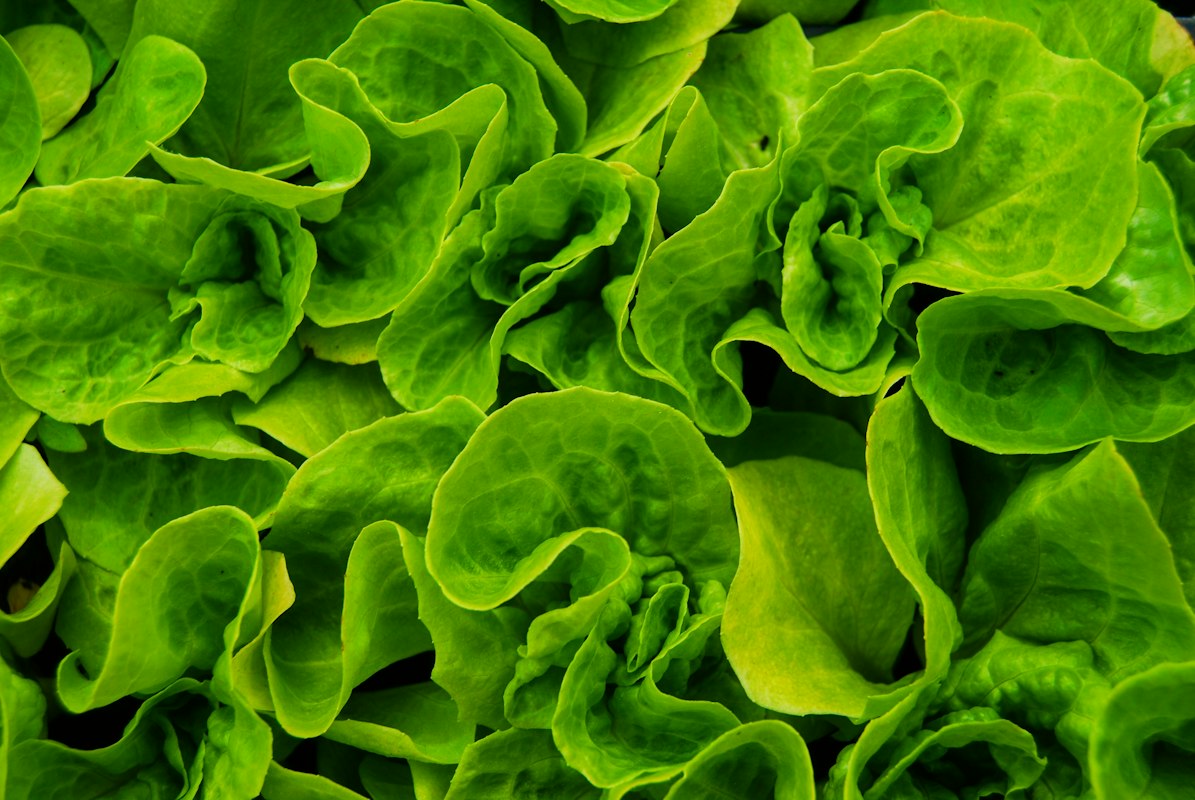
Spinach and Walnut Salad with Berries
Fresh spinach, toasted walnuts, blueberries, and crumbled feta cheese with balsamic vinaigrette. Walnuts provide omega-3 fatty acids and help moderate nutrient absorption, while berries add antioxidants without excess natural sugars.
- Omega-3 rich nuts
- Low glycemic index berries
- Iron and mineral content

Grilled Chicken Caesar Salad
Lean grilled chicken breast over crisp cos lettuce with homemade lemon-herb dressing and grated Parmesan. High protein content helps sustain energy and reduces overall glycemic impact of the meal when paired with plenty of leafy greens.
- Lean protein source
- Minimal carbohydrates
- Satisfying and filling

Rainbow Vegetable Salad with Tahini
Vibrant mix of kale, red cabbage, grated carrots, purple beets, and yellow peppers with creamy tahini dressing. The variety of phytonutrients from different coloured vegetables supports overall metabolic health and provides sustained satiety.
- Diverse plant compounds
- Sesame-based healthy fats
- Rich mineral profile

Salmon and Avocado Salad
Flaked wild salmon, ripe avocado, mixed greens, and cucumber with lemon-olive oil dressing. Omega-3 fatty acids from salmon and heart-healthy fats from avocado work synergistically to support cardiovascular wellness and stable energy.
- Omega-3 fatty acids
- Complete protein
- Heart-healthy monounsaturated fats

Lentil and Herb Salad
Cooked green lentils, fresh parsley, mint, red onion, and bell peppers with vinaigrette dressing. Lentils provide resistant starch and protein, both of which help regulate how quickly nutrients are absorbed and support prolonged satiety.
- Resistant starch content
- Plant-based protein
- Complex carbohydrates
Essential Salad Ingredients for Blood Sugar Control
Learn which vegetables, proteins, and healthy fats provide the most benefit when building blood-sugar-friendly salads.
Leafy Greens
Spinach, kale, romaine, and arugula are nutrient-dense, low in carbohydrates, and rich in fibre. They form the foundation of any blood-sugar-friendly salad and provide vitamins, minerals, and antioxidants with minimal glycemic impact.
Cruciferous Veg
Broccoli, cauliflower, cabbage, and Brussels sprouts contain sulphur-based compounds and fibre that support metabolic wellness. Their texture adds crunch and satisfaction without significantly affecting blood sugar levels.
Protein Sources
Grilled chicken, fish, eggs, legumes, and Greek yoghurt add satiety and help moderate the glycemic response of the entire meal. Protein slows digestion and nutrient absorption, supporting stable energy.
Healthy Fats
Avocado, olive oil, nuts, seeds, and fatty fish provide monounsaturated and polyunsaturated fats that slow carbohydrate digestion and enhance nutrient absorption from vegetables.
Colourful Veg
Peppers, tomatoes, cucumbers, and radishes add variety, crunch, and micronutrients. Different colours represent different phytonutrients that together support comprehensive cellular wellness.
Herbs & Dressings
Fresh herbs like parsley, cilantro, and basil, combined with olive oil and lemon-based dressings, add flavour without refined sugars or unhealthy additives. Vinegar-based dressings may help moderate blood sugar response.
Top Salad Building Blocks
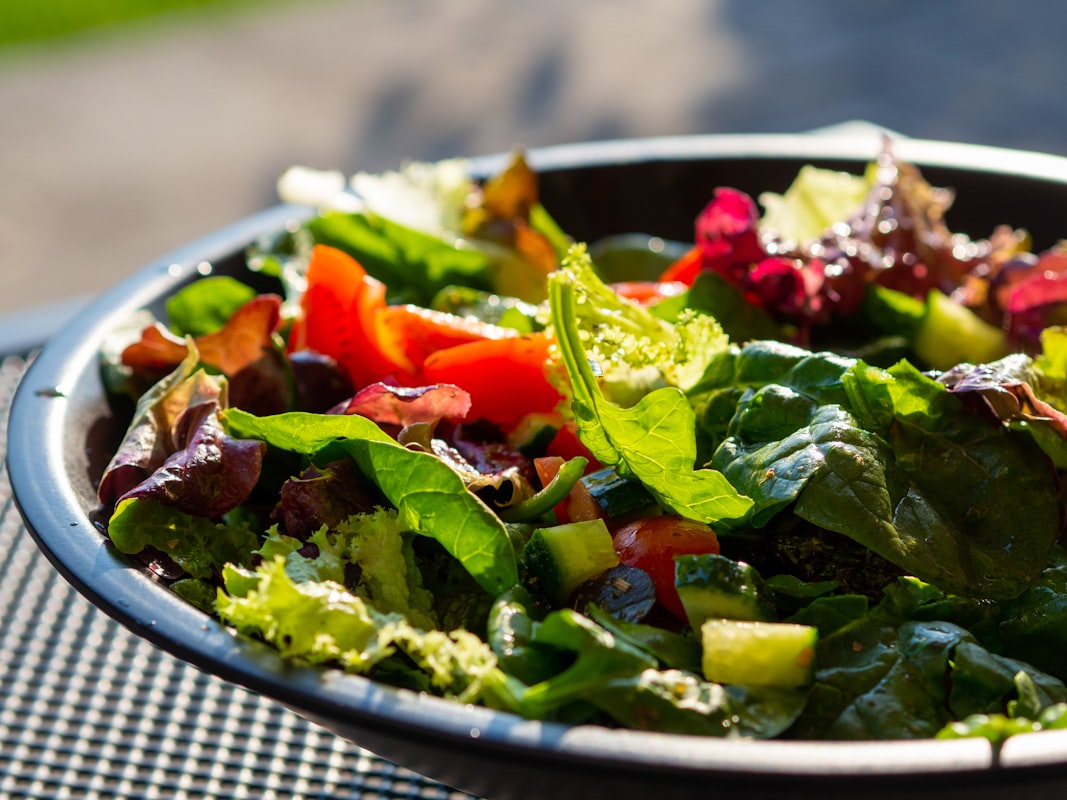
Leafy Greens Variety
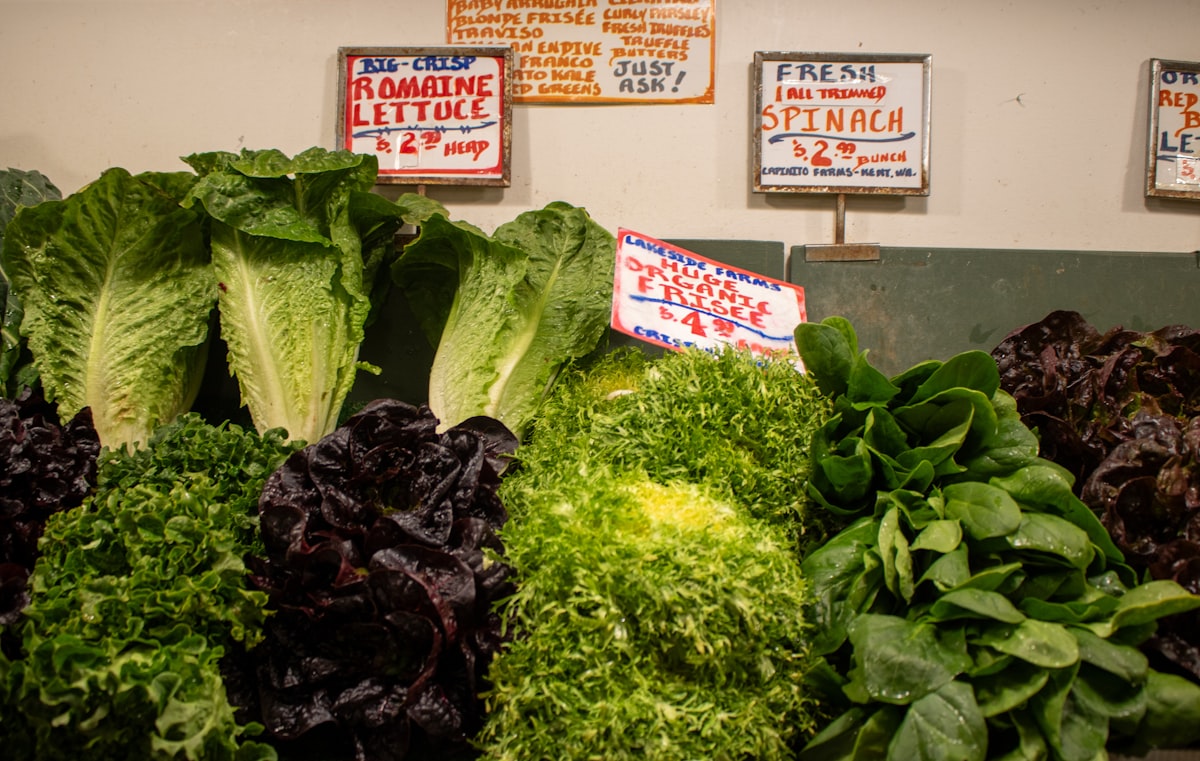
Spinach, kale, and mixed greens provide vitamins K, A, and folate with virtually no impact on blood sugar.

Plant-Based Proteins
Chickpeas, lentils, and beans offer fibre and resistant starch for stable nutrient absorption.
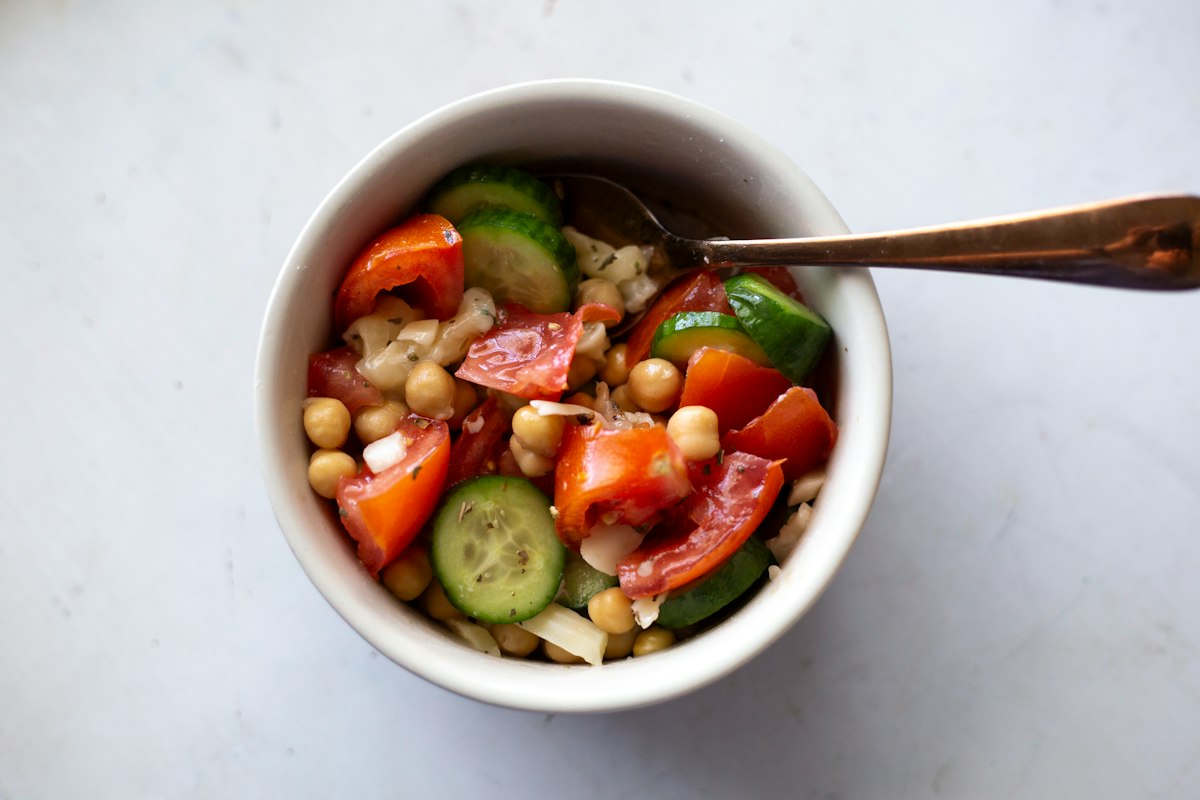
Omega-3 Rich Fish
Salmon and mackerel deliver omega-3 fatty acids and complete protein for sustained energy.
Rainbow Vegetables
Red, yellow, and orange peppers, tomatoes, and carrots add colour, crunch, and micronutrients.
Healthy Fats
Avocado, walnuts, and almonds provide monounsaturated fats that slow carbohydrate digestion.
Fresh Herbs
Parsley, basil, and cilantro enhance flavour and provide beneficial plant compounds without added sugars.
Common Questions About Salads and Blood Sugar
Salads, especially those centred on leafy greens and vegetables, are low in digestible carbohydrates and high in fibre. Fibre slows the absorption of nutrients, helping prevent rapid spikes in blood sugar. When combined with protein and healthy fats, salads create balanced meals that provide sustained energy and promote overall metabolic wellness. The micronutrient density also supports the body's natural regulatory systems.
Many commercial salad dressings contain hidden refined sugars and unhealthy oils. Avoid sweetened vinaigrettes, ranch dressings made with seed oils, and creamy dressings with added sugars. Instead, make your own dressings using olive oil, vinegar (balsamic or apple cider), lemon juice, herbs, and spices. Tahini-based dressings, avocado-based dressings, and mustard-based dressings are excellent alternatives that support your health goals while adding satisfying flavour.
A satisfying, blood-sugar-friendly salad should contain 20-40g of protein, depending on your individual needs and activity level. This might be 100-150g of grilled chicken, a tin of chickpeas, 2-3 eggs, a fillet of salmon, or a combination of smaller protein sources. Adequate protein increases satiety, slows nutrient absorption, and supports muscle maintenance. Pairing protein with plenty of fibre-rich vegetables creates a complete meal that sustains energy without triggering rapid blood sugar fluctuations.
Both raw and lightly cooked vegetables have benefits. Raw vegetables retain heat-sensitive vitamins and provide enzymes, while cooked vegetables become easier to digest and may increase the bioavailability of certain nutrients like lycopene in tomatoes. A mix of raw and cooked vegetables provides the broadest spectrum of nutrients. Lightly steaming, grilling, or roasting vegetables at low temperatures preserves most benefits. Avoid deep frying or cooking with refined oils, which can introduce unwanted calories and compounds.
Yes, but in moderation and with intention. Whole grains like quinoa, barley, or farro provide resistant starch and fibre. The key is portion control—use roughly a quarter to a third of your bowl as grain, filling the rest with vegetables and protein. This approach ensures fibre and protein content remain high enough to moderate the glycemic response. Avoid refined grains and processed grain products, which lack the fibre and nutrients needed to support blood sugar stability. Always pair any grain with plenty of vegetables and a protein source.
Balanced meals with stable blood sugar support consistent energy and mood. When blood sugar spikes and crashes, it often triggers energy dips, brain fog, and mood swings. Nutrient-dense salads with protein, healthy fats, and fibre provide steady glucose release, supporting consistent mental clarity and stable moods. Additionally, the micronutrients in fresh vegetables—such as B vitamins, magnesium, and antioxidants—directly support neurotransmitter production and stress resilience. Eating regular, balanced salads helps maintain the biological foundation for sustained wellness throughout your day.
Why Leafy Greens Are Your Secret Weapon for Low-Sugar Living
Leafy greens like spinach, kale, and arugula are nutritional powerhouses that contain virtually zero net carbs while delivering exceptional micronutrient density. They're rich in:
- Magnesium & Potassium: Essential minerals that support heart health and stable blood sugar
- Vitamin K: Crucial for bone health and blood clotting regulation
- Chlorophyll: A natural detoxifier with anti-inflammatory properties
- Fiber: Supports digestive health and promotes satiety without spiking blood glucose
By making leafy greens the foundation of your meals, you're choosing foods that actively support your low-sugar lifestyle while maximizing nutritional benefit per calorie.

Real Stories from Real People
"Following the Low Sugar Food Guide transformed my energy levels. I no longer experience the 3 PM crash, and my concentration at work has improved dramatically."
Sarah Mitchell
Marketing Professional, Portland, OR
"I lost significant weight without feeling deprived. The meal ideas and nutritional guidance made it easy to stick with a low-sugar lifestyle sustainably."
James Rodriguez
Fitness Coach, Austin, TX
"My blood sugar levels are now stable, and my doctor was amazed at my lab results after just 12 weeks. This approach genuinely works."
Emma Chen
Accountant, Seattle, WA
Frequently Asked Questions
Is a low-sugar diet safe for everyone?
How quickly will I see results?
Can I eat fruit on a low-sugar diet?
What about artificial sweeteners?
How do I handle social situations and dining out?
Start Your Low-Sugar Journey Today
Join thousands of people who've transformed their health with science-backed nutrition guidance. Your body deserves the fuel that actually serves it.