
Best Salads for Blood Sugar Control
Discover evidence-based salad recipes and nutrition strategies designed to support stable glucose levels and sustained energy throughout your day.
Why Blood Sugar Control Matters
Stable blood sugar levels are fundamental to maintaining consistent energy, sharp focus, and overall wellbeing. When glucose levels spike and crash throughout the day, you may experience fatigue, mood swings, and difficulty concentrating.
Strategic nutrition—especially thoughtfully composed salads rich in fiber, lean protein, and healthy fats—helps regulate glucose absorption and supports sustained energy. The right foods can make a measurable difference in how you feel and function.
This guide explores science-backed salad combinations that naturally help keep your blood sugar in a stable range, supported by practical recipes and detailed nutritional information.
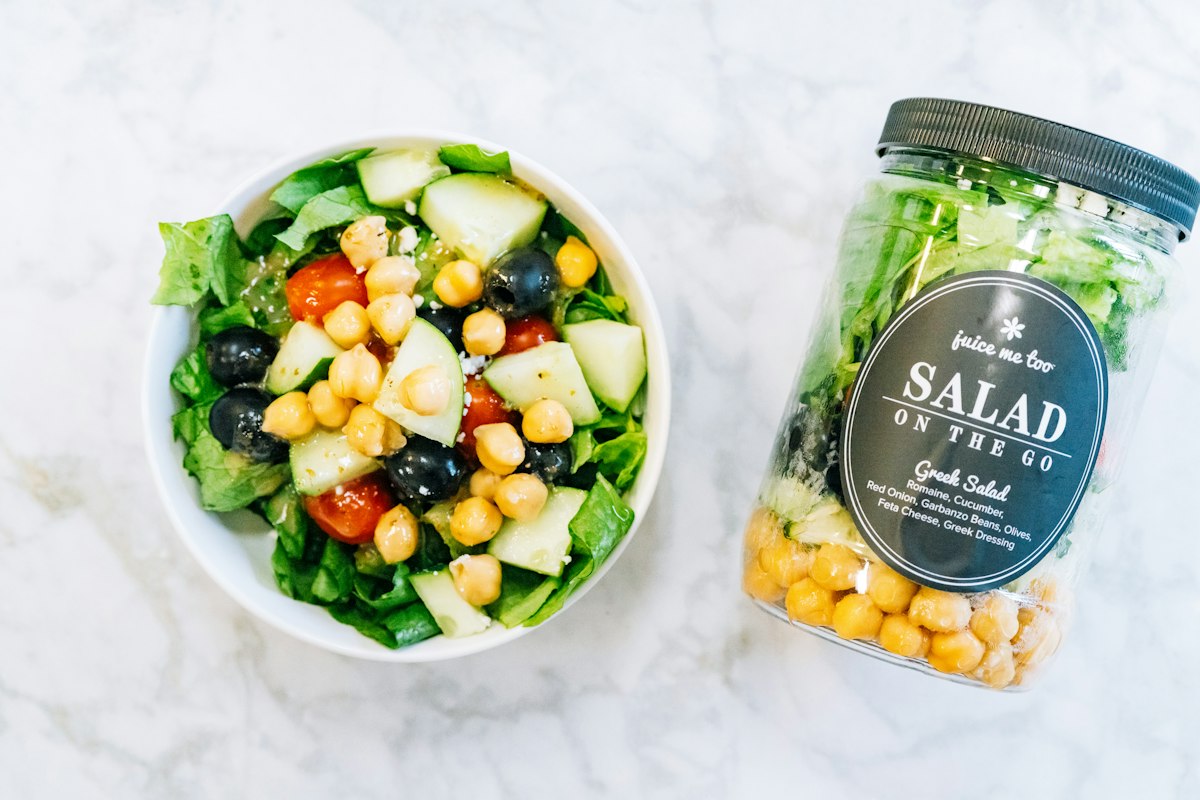
What Makes Our Salads Special
High-Fiber Base
All recipes feature leafy greens and whole vegetables that are naturally low in digestible carbohydrates but rich in fiber. This slows glucose absorption and prevents blood sugar spikes.
Balanced Protein
Each salad includes quality protein sources—grilled chicken, fish, legumes, or plant-based options. Protein slows carbohydrate digestion and increases satiety, supporting stable energy.
Healthy Fats
Cold-pressed oils, avocado, nuts, and seeds provide monounsaturated and polyunsaturated fats. These fats improve nutrient absorption and stabilize glucose response after meals.
Nutrient Density
Recipes emphasize colorful, nutrient-rich vegetables packed with vitamins, minerals, and antioxidants. These micronutrients support metabolic health and insulin sensitivity.
Simple Ingredients
All salads use whole, recognizable ingredients with minimal processing. Avoiding refined carbohydrates and added sugars is essential for blood sugar control.
Evidence-Based
Every recipe is informed by nutritional research on macronutrient balance and glycemic impact. Recommendations reflect current understanding of glucose metabolism.
Top Salads for Stable Glucose
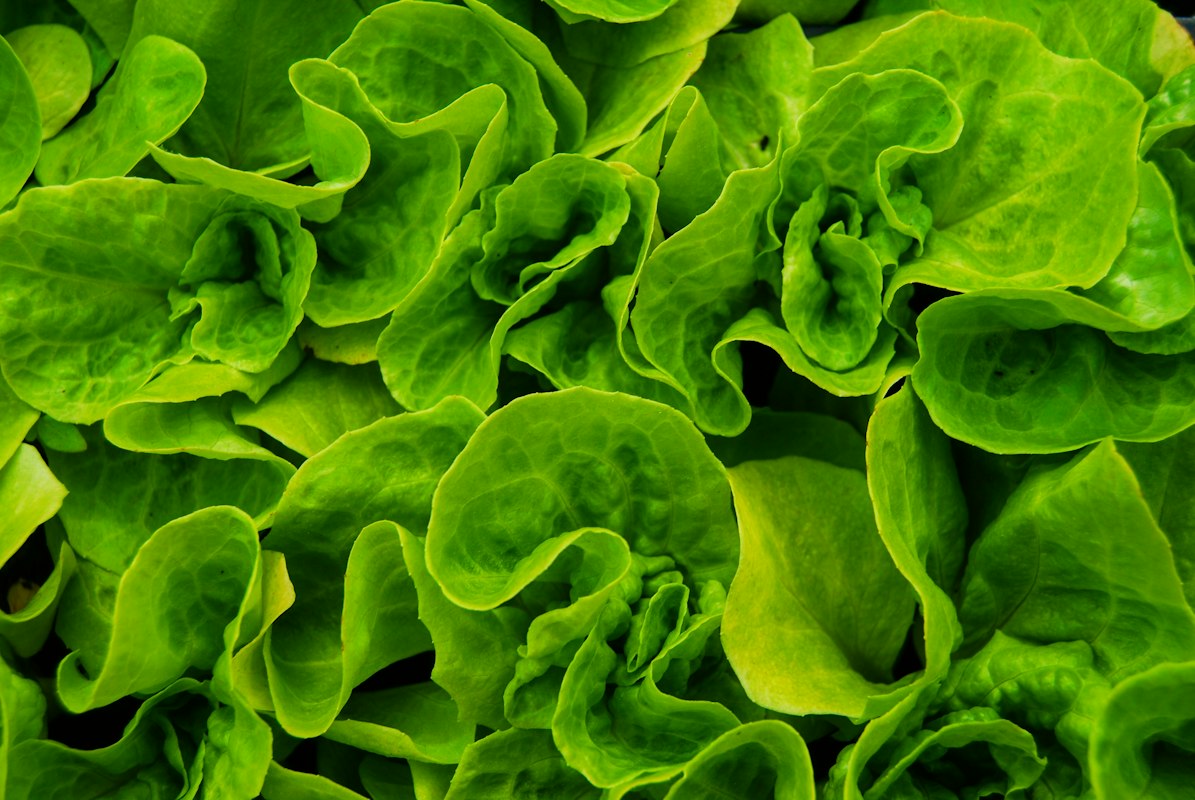
Mediterranean Salad
Mixed greens, cucumber, tomato, red onion, olives, feta cheese, and grilled salmon with extra virgin olive oil and lemon. Rich in omega-3 fatty acids and antioxidants.
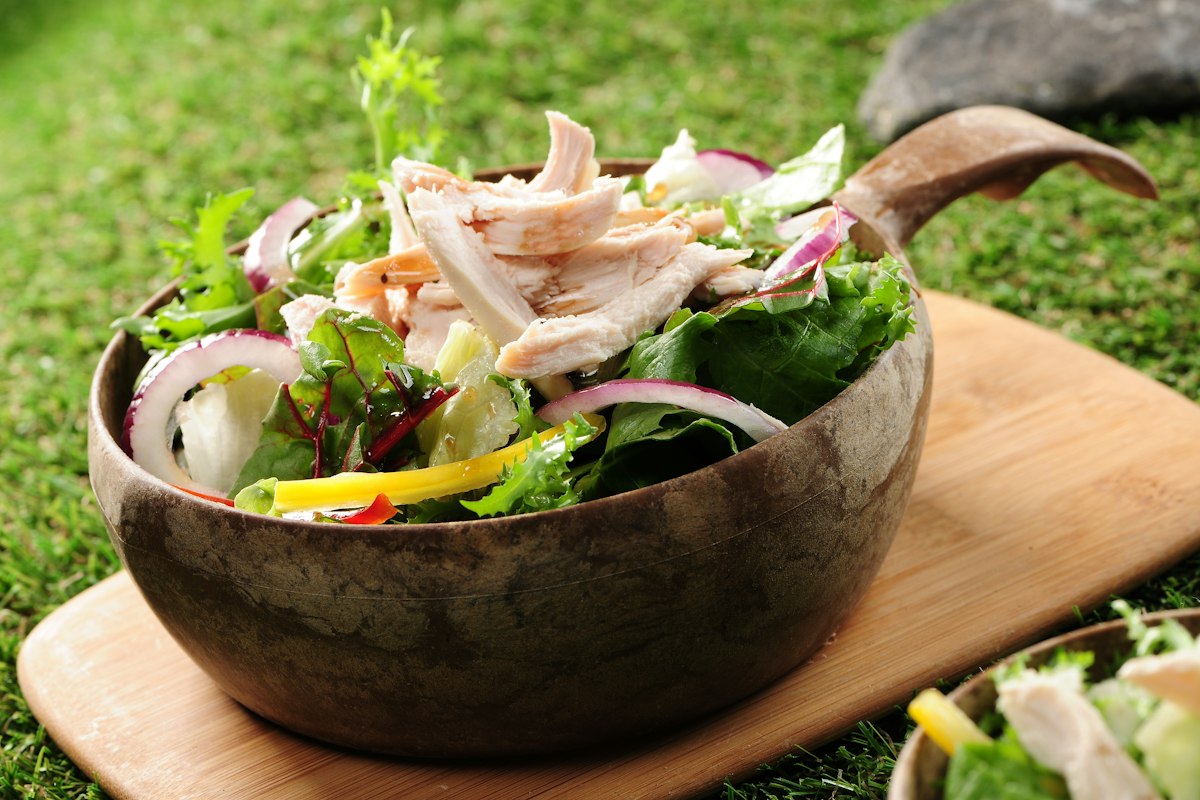
Green Power Salad
Spinach, arugula, kale, and mixed lettuce base with grilled chicken breast, pumpkin seeds, and a tahini-lemon dressing. High protein and minimal carbohydrates.
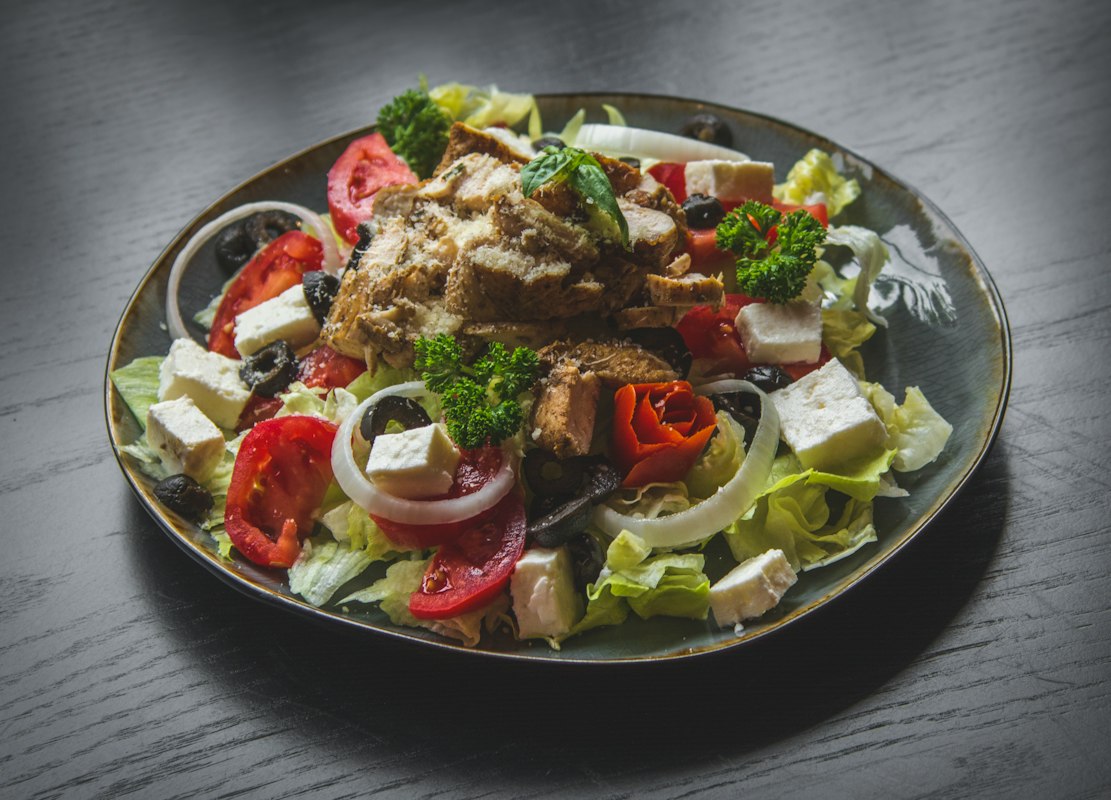
Asian-Inspired Salad
Napa cabbage, shredded carrots, edamame, grilled tofu or shrimp, and sesame seeds with a ginger-soy vinaigrette. Plant-based protein and probiotic-rich fermented elements.
Italian Herb Salad
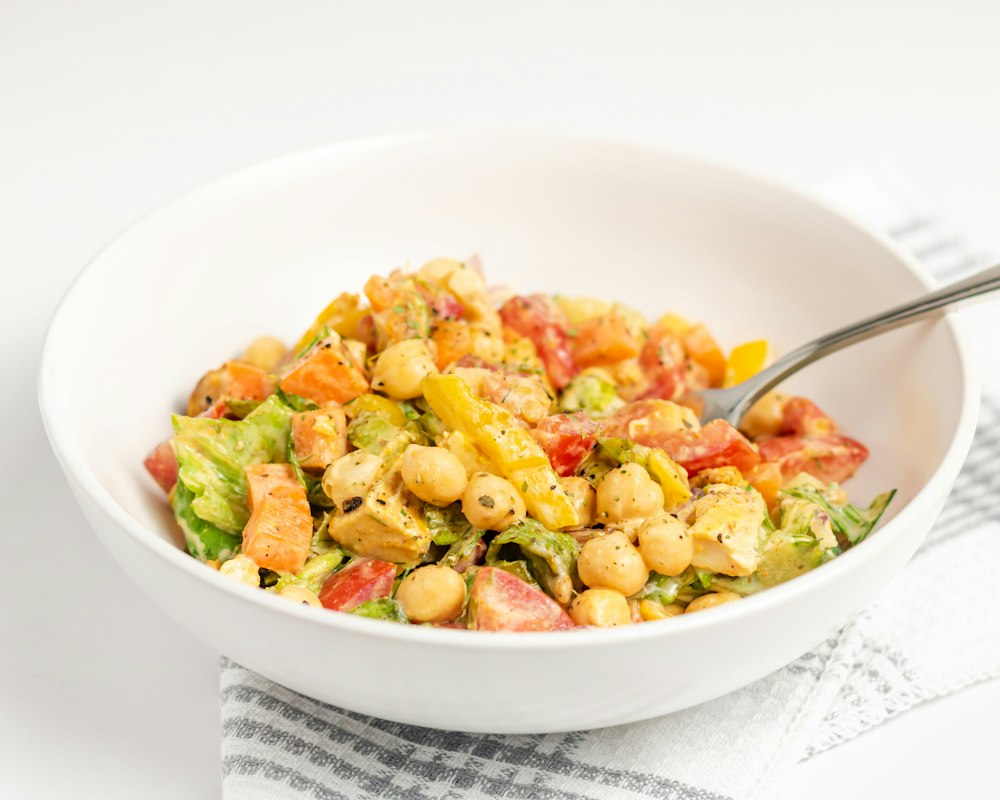
Romaine lettuce, fresh basil, oregano, bell peppers, cucumber, lean beef strips, and a balsamic vinaigrette. Aromatic herbs contain compounds that support metabolic health.
Avocado & Egg Salad
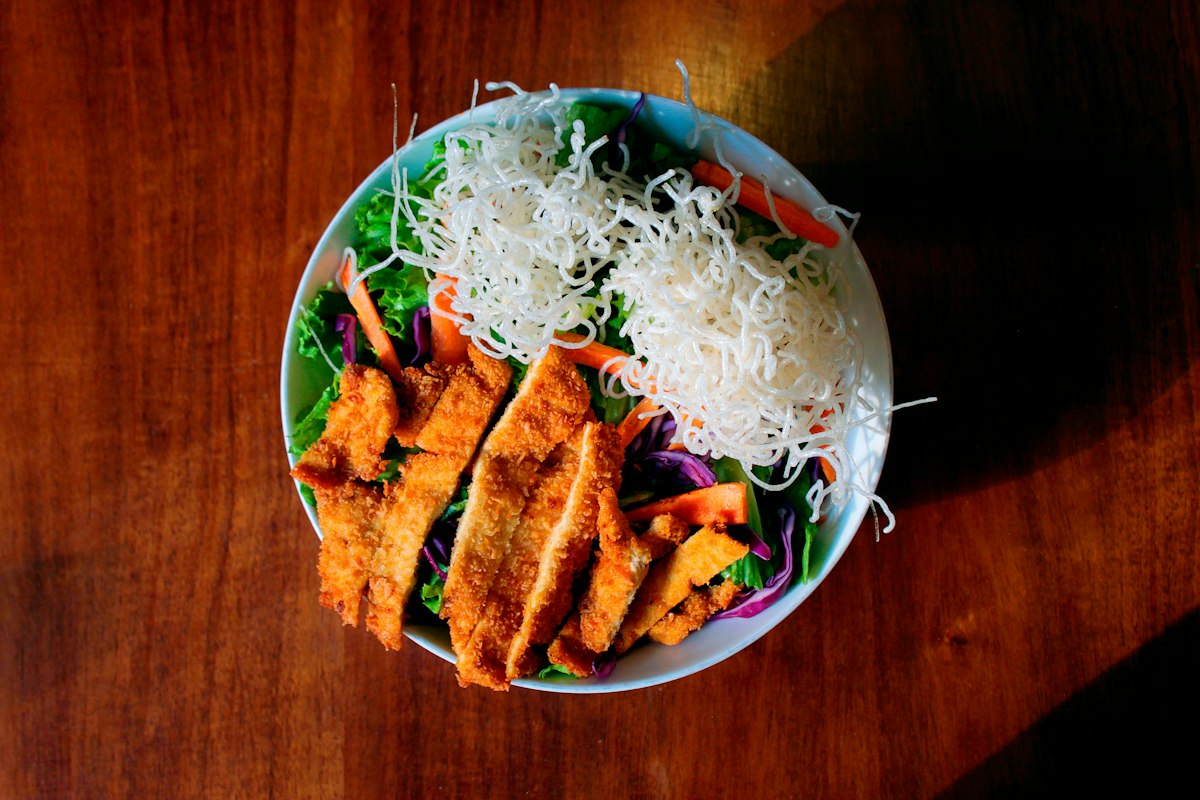
Mixed greens, hard-boiled eggs, ripe avocado, cherry tomatoes, and red onion with a lemon-olive oil dressing. Complete amino acid profile and healthy monounsaturated fats.
Rainbow Crunch Salad
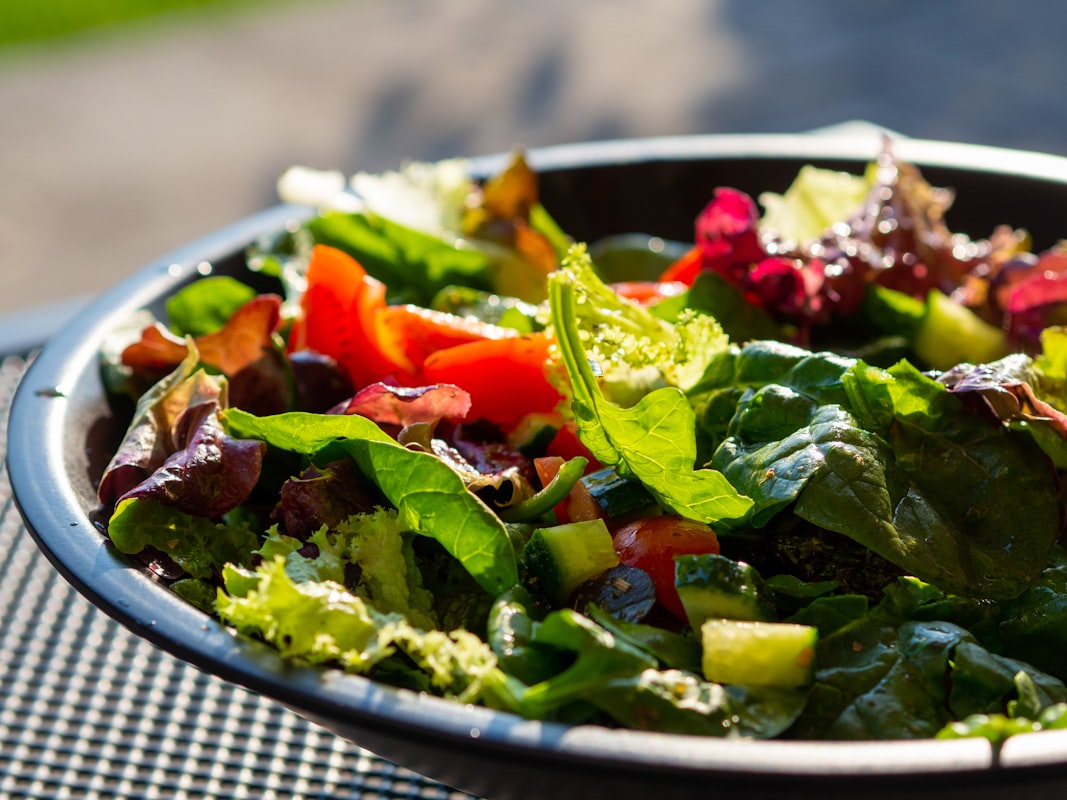
Purple cabbage, bell peppers (red, yellow, orange), carrots, broccoli, grilled chicken, and walnuts with apple cider vinaigrette. Maximum antioxidant diversity and satisfying texture.
Understanding Key Ingredients
Leafy Greens
Spinach, kale, arugula, and lettuce are nutritional powerhouses with minimal carbohydrates and calories. They're rich in chlorophyll, vitamins K and C, and magnesium—a mineral critical for glucose metabolism.
- Virtually zero glycemic impact
- High in fiber and micronutrients
- Support insulin sensitivity
Cruciferous Vegetables
Broccoli, cauliflower, and Brussels sprouts contain sulforaphane and other bioactive compounds. These support detoxification and may enhance cellular glucose handling.
- Anti-inflammatory properties
- Low carbohydrate density
- Rich in vitamins and minerals
Protein Sources
Grilled chicken, fish, eggs, legumes, and plant-based proteins are essential for salads designed to stabilize glucose. Protein slows stomach emptying and carbohydrate absorption.
- Reduces glucose spikes after meals
- Improves satiety and fullness
- Supports muscle and metabolic health
Healthy Fats
Avocado, olive oil, nuts, seeds, and fatty fish provide omega-3 and monounsaturated fats. These improve nutrient absorption and further moderate glucose response.
- Enhance micronutrient bioavailability
- Support brain and cardiovascular health
- Promote stable energy and mood
How to Build Your Perfect Blood Sugar-Friendly Salad
Start with Leafy Greens
Choose a generous base of mixed greens—spinach, arugula, kale, or lettuce. Aim for at least 2–3 cups as the foundation. This provides volume, nutrients, and minimal carbohydrate impact.
- Use a variety of greens for nutrient diversity
- Include darker, more bitter varieties when possible
Add Lean Protein
Include 3–5 ounces of quality protein: grilled chicken breast, baked salmon, hard-boiled eggs, or legumes. Protein is the anchor macronutrient that slows glucose absorption.
- Grill or bake rather than fry
- Rotate between animal and plant sources
Layer Colorful Vegetables
Add 1–2 cups of non-starchy vegetables: tomatoes, cucumber, bell peppers, broccoli, carrots, radishes, or cauliflower. The variety of colors ensures broad micronutrient coverage.
- Red: lycopene and anthocyanins
- Orange/yellow: carotenoids
Include Healthy Fats
Add 1–2 tablespoons of healthy fat: avocado slices, a quarter cup of nuts or seeds, or 1–2 tablespoons of olive oil-based dressing. Fats enhance nutrient absorption and satiety.
- Avocado, almonds, walnuts, or pumpkin seeds
- Cold-pressed oils for maximum nutrient content
Season with Flavor & Spice
Use fresh herbs (basil, cilantro, parsley), lemon juice, vinegar, or low-sugar condiments. Many herbs and spices contain bioactive compounds that support metabolic health.
- Turmeric, cinnamon, ginger for anti-inflammatory benefits
- Avoid sugar-laden dressings
Portion Control & Timing
A balanced salad should fill a large dinner plate. Eat it as a complete meal or as part of a meal, and consume it mindfully. Pair with adequate hydration and allow time for digestion.
- Eat salads earlier in the day when possible
- Chew thoroughly to aid digestion
Choosing the Right Dressing
The dressing can make or break a blood sugar-friendly salad. Commercial dressings often contain hidden sugars that spike glucose levels. Here's what to look for and what to avoid.
Best Choices
-
•
Olive Oil & Vinegar
Extra virgin olive oil with balsamic, apple cider, or red wine vinegar. Simple, nutrient-dense, and virtually no added sugars.
-
•
Tahini-Lemon Dressing
Tahini (sesame paste), fresh lemon juice, garlic, and water. Creamy, protein-rich, and metabolically supportive.
-
•
Mustard-Based
Dijon or whole grain mustard with olive oil and vinegar. Adds flavor without added sugars; mustard also supports digestion.
-
•
Herb & Garlic
Fresh herbs, minced garlic, olive oil, and lemon juice. Aromatic and metabolically supportive without refined ingredients.
Avoid or Limit
These dressings often contain added sugars, unhealthy oils, and artificial ingredients that undermine your low-sugar goals:
-
•
Sweetened Vinaigrettes
Commercial brands often add sugar, honey, or agave to balance acidity. Check labels carefully—many contain 3-5g sugar per 2 tablespoons.
-
•
Creamy Dressings (Ranch, Caesar, Thousand Island)
Typically made with mayo, sour cream, and added sugar for flavor. Often 2-4g sugar per serving, plus inflammatory seed oils.
-
•
Barbecue & Sweet Chili Dressings
These are essentially liquid sugar. Avoid completely on a low-sugar diet—often 8-12g sugar per 2 tablespoons.
-
•
Fat-Free Dressings
Manufacturers replace fat with sugar and starches to improve taste. These are among the worst choices for low-sugar eating.
Quick Tips for Low-Sugar Dressing Success
Read Labels Religiously
Check the nutrition panel for total sugar content. Aim for less than 1g sugar per 2-tablespoon serving. Don't trust marketing claims—"natural" and "light" don't mean low-sugar.
Make Your Own
Homemade dressings take 5 minutes and give you complete control. Mix olive oil, vinegar, mustard, and seasonings in a jar. Store in the fridge for up to 2 weeks.
Use Oil & Acid Base
Start with quality olive oil and vinegar (balsamic, apple cider, or red wine). Add Dijon mustard, garlic, and herbs. This formula never fails and keeps sugar at zero.
Portion Control Matters
Even low-sugar dressings are calorie-dense from oil. A proper serving is 2 tablespoons. Use a measuring spoon or small ladle to avoid overpouring.
Taste-Test Store Brands
Many grocery store olive oil vinaigrettes are surprisingly low in sugar. Brands like Primal Kitchen and PRIMAL KITCHEN offer excellent options under 1g sugar per serving.
Get Creative with Acids
Branch beyond vinegar. Try lemon juice, lime juice, or even apple cider vinegar with a splash of fish sauce for umami depth without sugar.
Frequently Asked Questions
Is balsamic vinegar okay on a low-sugar diet?
Balsamic is higher in sugar than other vinegars (about 3g per tablespoon), so use it sparingly or dilute it with olive oil. Red wine or apple cider vinegar are better choices with minimal sugar.
Can I use honey or maple syrup in homemade dressings?
No—honey and maple syrup are pure sugar, even if "natural." They spike blood sugar just as much as regular sugar. Stick with mustard, garlic, and herbs for natural sweetness from spices.
What about Greek yogurt-based dressings?
Plain Greek yogurt is low-sugar (2-3g per serving) and makes an excellent creamy base. Mix with vinegar, mustard, and herbs. Avoid flavored yogurts, which contain added sugar.
Are there low-sugar bottled options worth buying?
Yes. Primal Kitchen, Tessemae's, and simple olive oil vinaigrettes are reliable. Always check labels—some brands hide sugar under names like "cane juice" or "agave nectar." Look for under 1g sugar per 2-tablespoon serving.
How long does homemade dressing last in the fridge?
Oil-and-vinegar dressings last 2-3 weeks. Creamy dressings with yogurt or mayo last 5-7 days. Keep all dressings in glass jars with tight lids. Shake before each use.
Can I use soy sauce or tamari in dressings?
Yes! Both are naturally low in sugar (less than 1g per tablespoon) and add umami depth. Tamari is gluten-free if that matters to you. Mix with sesame oil and rice vinegar for an Asian-inspired dressing.
Take Control of Your Salad Game
Dressings don't have to derail your low-sugar goals. Start with simple oil-and-vinegar combinations, read labels carefully, and enjoy salads without guilt.
Explore more low-sugar recipes and food guides on Lowsugarfoodguide to master your nutrition journey.