
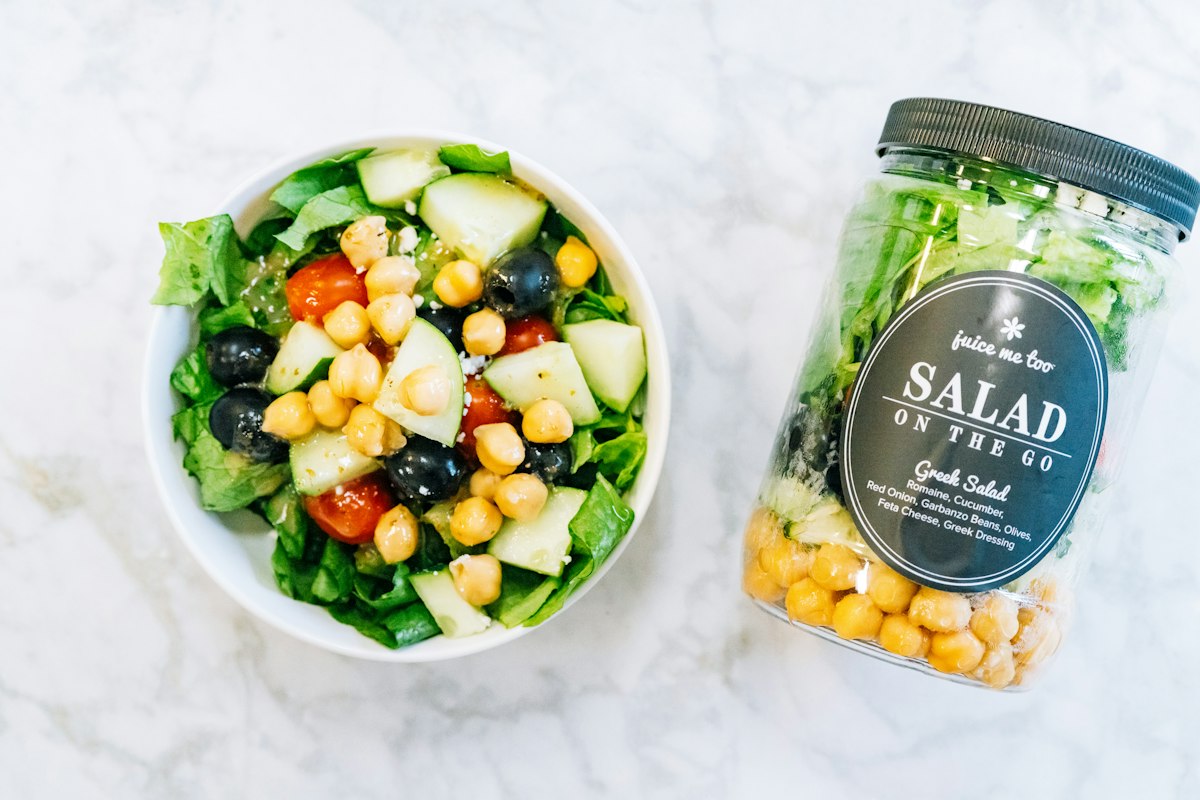
Master Blood Sugar Control Through Smart Salad Choices
Discover evidence-based salad recipes and nutritional strategies designed to maintain stable glucose levels and support your overall wellness journey.
Why Blood Sugar Balance Matters
Stable glucose levels are foundational to sustained energy, mental clarity, and long-term wellness. The right salad combinations can be a powerful tool in this equation.
Whole Food Focus
Every recipe prioritises unprocessed vegetables, healthy fats, and quality proteins to minimise blood sugar spikes.
Glycemic Intelligence
We guide you through low-glycemic ingredients and combinations that keep your energy steady throughout the day.
Practical Eating
Real-world salad ideas that fit into your life—easy to prepare, delicious to eat, and designed for sustainable habits.
Evidence-Based
Our guidance is based on established nutritional principles. For specific research, please consult scientific databases.
Visual Recipe Inspiration
Browse our collection of thoughtfully designed salads, each selected for their blood sugar-friendly profile and nutritional balance.
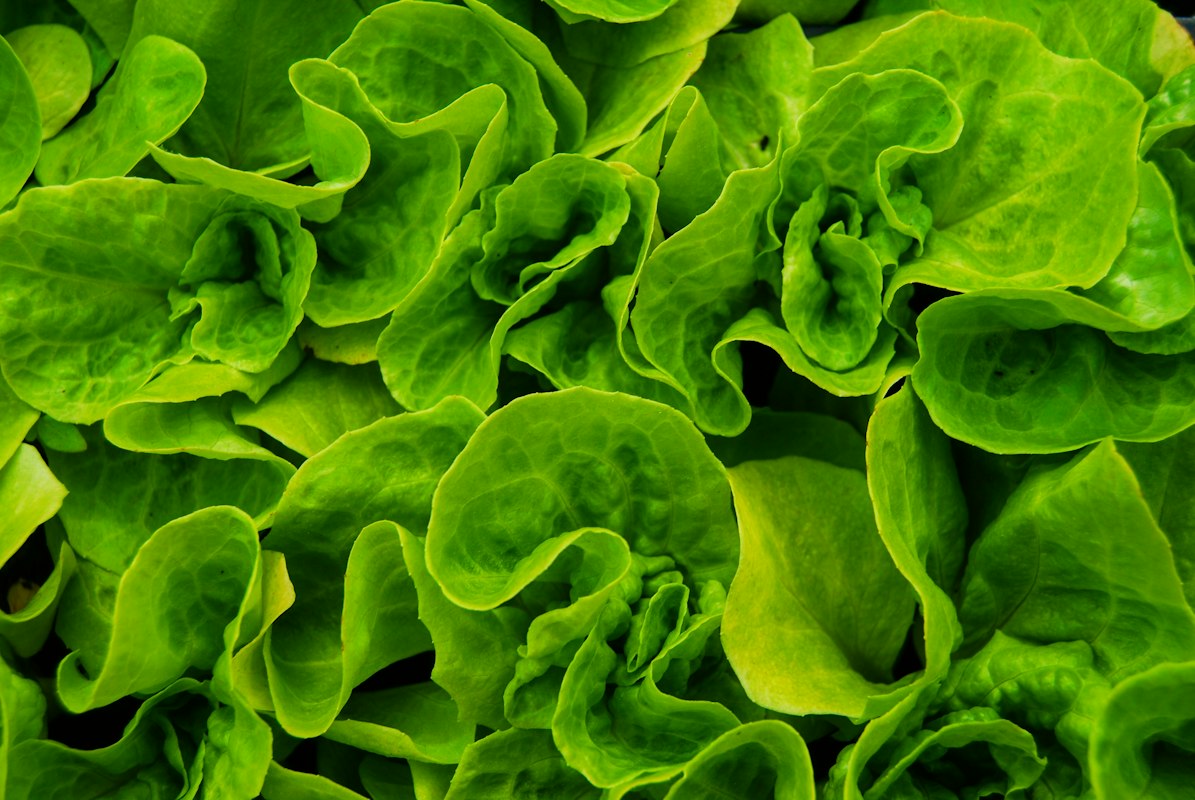
Mediterranean Kale & Herb Salad
Creamy tahini dressing, feta, and leafy greens create a satisfying, low-glycemic meal that supports steady energy.
View Recipe →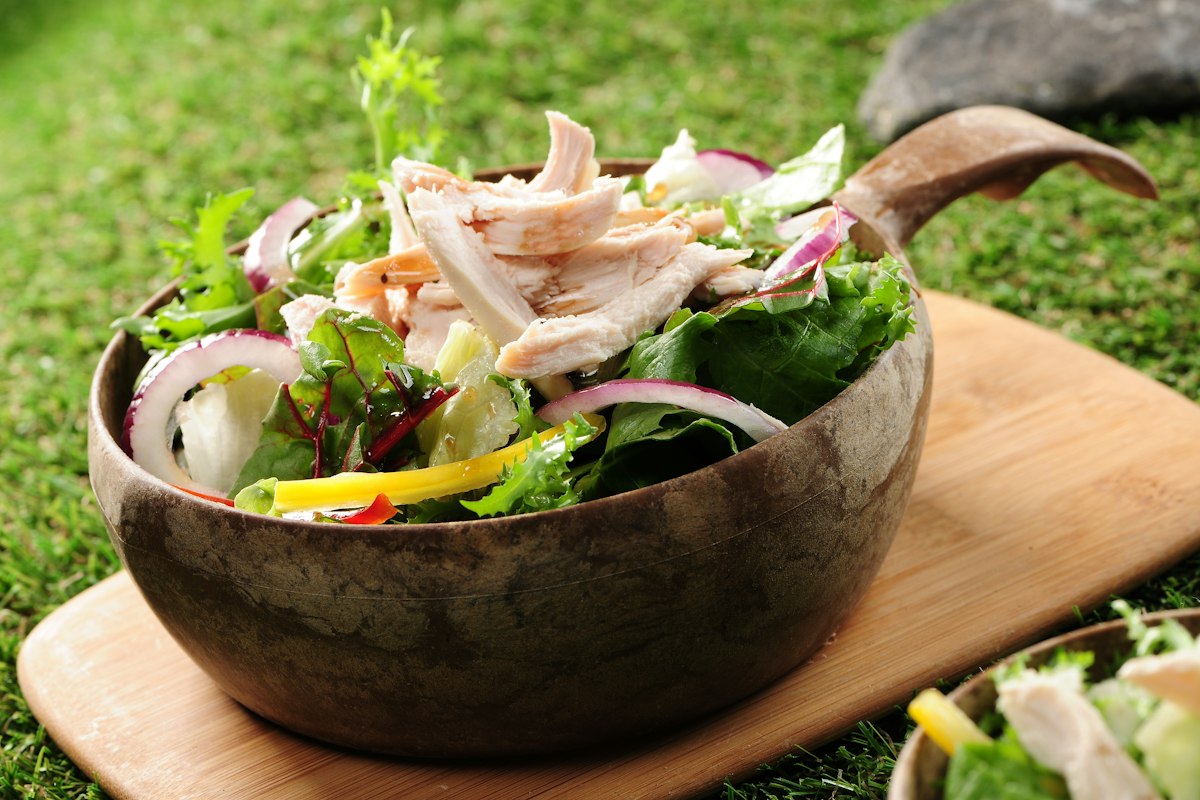
Roasted Brussels Sprouts & Walnut Salad
Nutty roasted sprouts paired with omega-3-rich walnuts and tangy vinaigrette for sustained fullness and metabolic support.
View Recipe →
Grilled Chicken & Avocado Salad
Lean protein and heart-healthy fats combine to create a balanced meal that minimises glucose fluctuations.
View Recipe →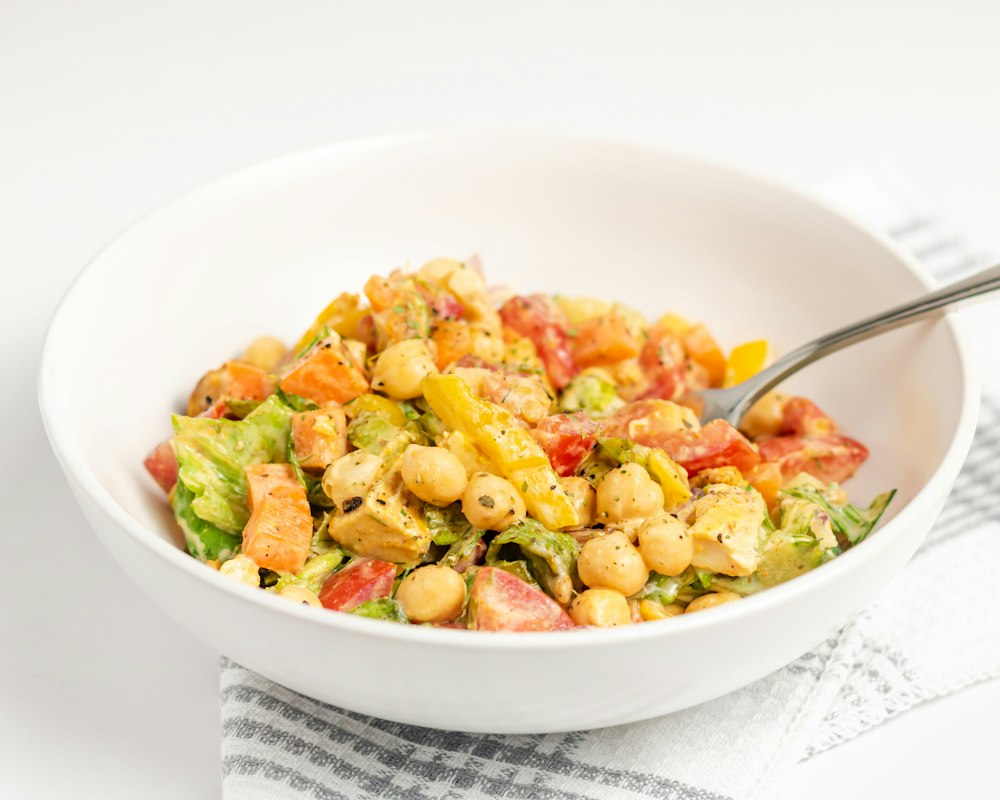
Rainbow Vegetable & Pumpkin Seed Salad
Vibrant, fibre-rich vegetables with mineral-rich seeds create a nutrient-dense meal that supports stable glucose.
View Recipe →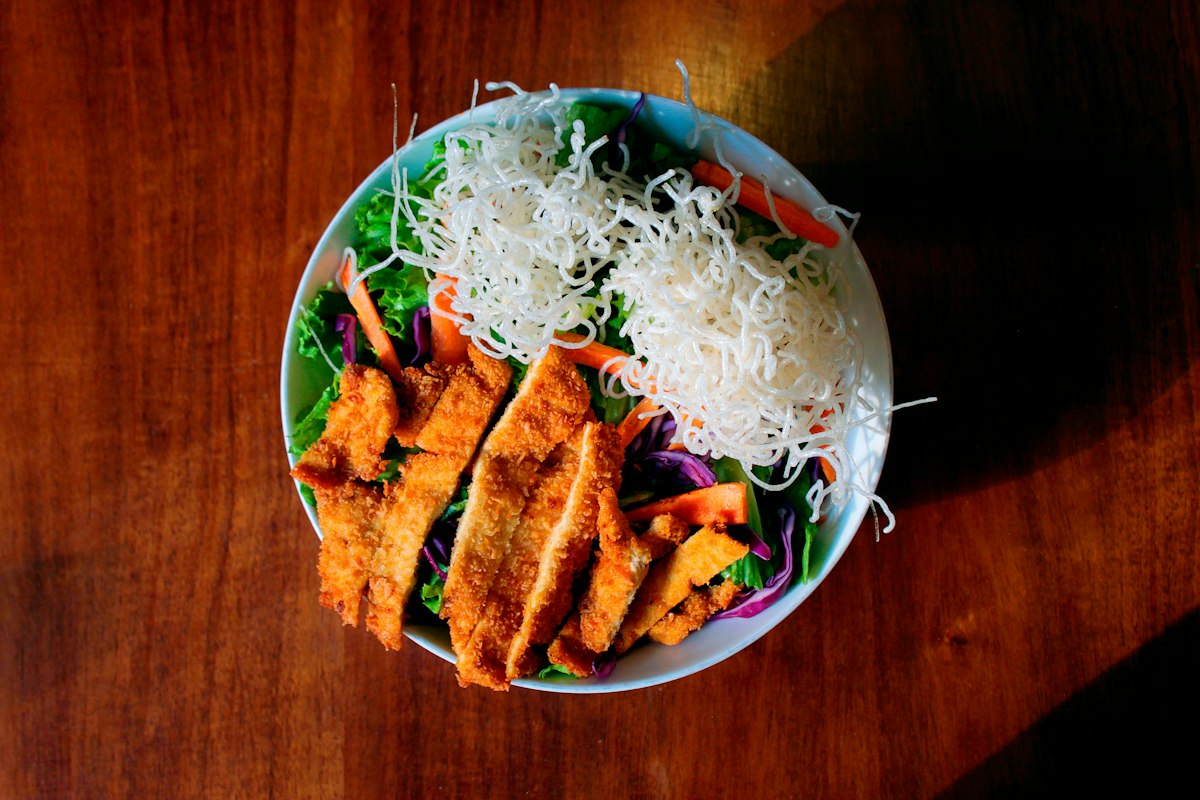
Spinach & Quinoa Power Salad
Complete protein and iron-rich greens provide sustained energy and support long-term metabolic wellness.
View Recipe →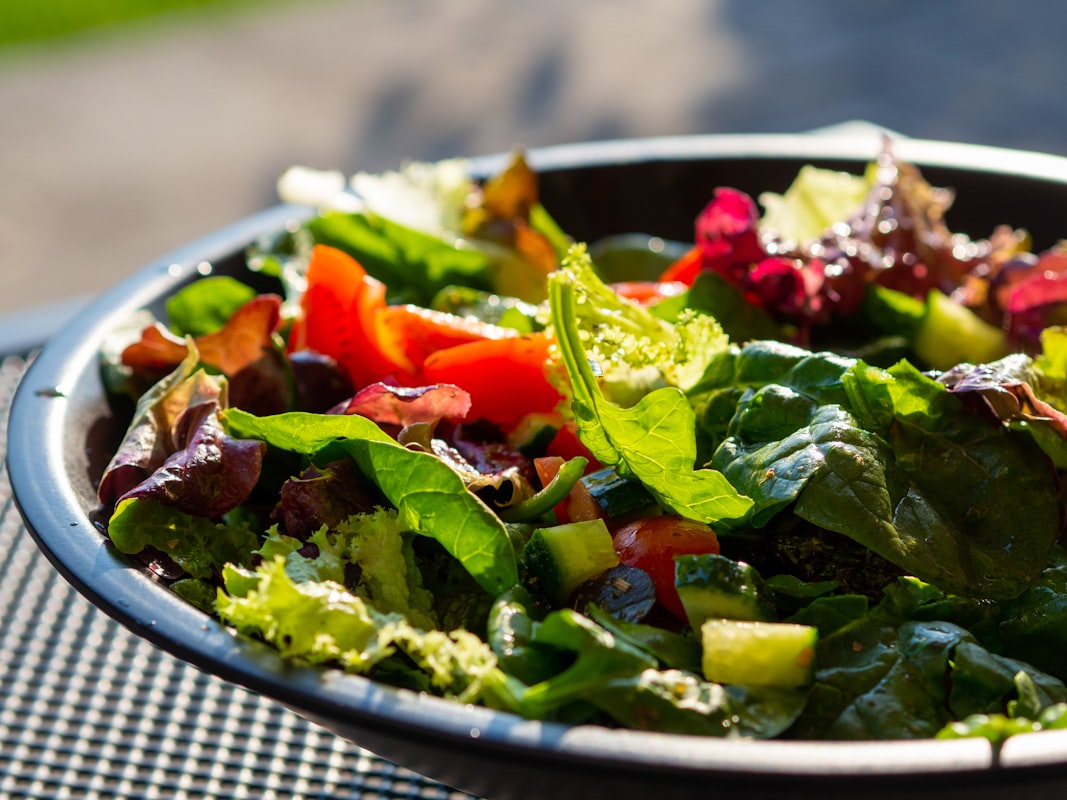
Roasted Beet & Goat Cheese Salad
Earthiness of roasted beets balanced with creamy cheese and bitter greens for a blood sugar-friendly classic.
View Recipe →Key Ingredients for Stable Glucose Levels
Fibre-Rich Vegetables
Leafy greens, cruciferous vegetables, and root veggies deliver soluble and insoluble fibre that slows sugar absorption and feeds beneficial gut bacteria.
Healthy Fats
Nuts, seeds, avocados, and quality oils create satiety and stabilise glucose response, preventing energy crashes and mood swings.
Quality Protein
Grilled meats, fish, legumes, and dairy proteins slow carbohydrate digestion and support muscle maintenance alongside your wellness goals.
Low-Glycemic Dressings
Vinegar-based, nut-oil, and tahini dressings complement vegetables without spiking blood sugar, adding both flavour and glucose-managing compounds.
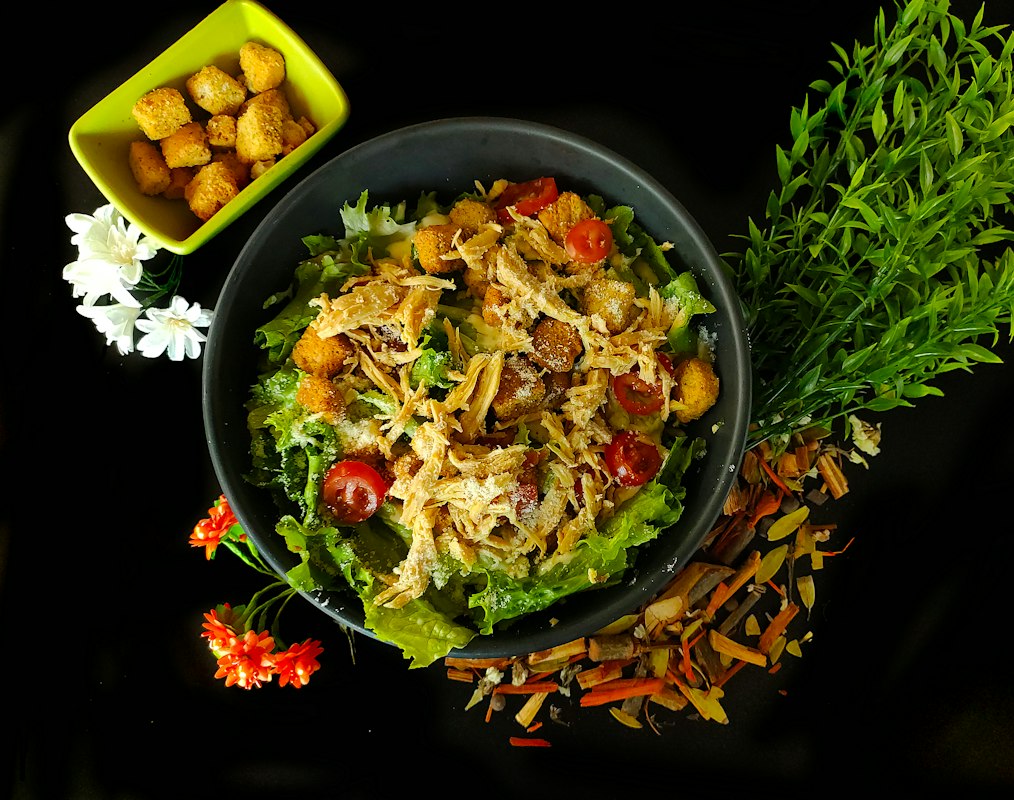
The Science Behind Low-Glycemic Salads
Blood sugar stability is achieved through understanding the glycemic impact of different foods. When you combine complex carbohydrates, fibre, protein, and healthy fats in a single meal—like our recommended salad compositions—you create a biological buffer against rapid glucose spikes.
Research shows that the order in which you consume foods also matters. Eating vegetables and proteins before grains can significantly reduce the glycemic response. Our salad guides emphasise this principle, helping you build meals that work with your body's natural metabolic processes.
The polyphenols found in dark leafy greens, coloured vegetables, and vinegar-based dressings provide additional support for glucose metabolism at the cellular level. By rotating your salad ingredients seasonally, you maximise your exposure to diverse phytonutrients and create sustainable eating patterns.
Common Questions About Blood Sugar and Salads
Including salads at lunch and dinner, or 5-6 times per week, creates a consistent pattern that supports stable glucose levels. However, individual responses vary—some people benefit from daily salad inclusion. Start with a frequency that feels sustainable, then observe how your energy and satiety respond over 2-4 weeks. Consistency matters more than perfection.
Yes, in moderation. Choose wholegrain options like quinoa, barley, or ancient grains rather than white rice or processed pasta. The key is proportion: keep grains to roughly 25% of your bowl, and always pair them with plenty of vegetables, protein, and healthy fat. Eating vegetables and protein first, then grains, reduces the glycemic impact significantly.
Vinegar-based dressings (balsamic, apple cider, or red wine) are excellent because acetic acid slows stomach emptying and reduces glucose spike. Nut-oil dressings provide healthy fats that improve satiety. Avoid sweet commercial dressings with added sugars. Our recipe section includes homemade dressing ideas that combine flavour with glucose-friendly compounds.
Both raw and cooked vegetables support blood sugar balance. Raw vegetables retain more enzymes and fibre structure, while cooking can increase the bioavailability of certain minerals. Mix both into your salads for nutritional variety. The most important factor is eating whole vegetables—whether raw, lightly roasted, or steamed—rather than processed alternatives.
Some fruits work well in salads when used thoughtfully. Berries are excellent—they're lower in sugar and high in antioxidants. Apples, pears, and stone fruits can be included in smaller portions alongside plenty of greens and protein. Avoid sweetened dried fruits. Always pair fruit with fat or protein to slow absorption. Our recipes include fruit-inclusive options with the glycemic impact in mind.
Real Feedback from Our Community (Individual results may vary)
"I've been following the salad recipes for three months now, and I genuinely notice more stable energy throughout the day. No afternoon slumps anymore. The dressing suggestions are simple but make such a difference—especially the tahini one with lemon. It's practical, not preachy."
Sarah Mitchell
Manchester, UK
"What impressed me most is how evidence-based everything is. You're not being sold supplements or special products—just thoughtful combinations of ordinary food. The science section helped me understand why the recipes work, not just follow them blindly. Exactly what I needed."
James Robinson
Birmingham, UK
"I was surprised how creative salads could be. Before this, I thought healthy eating meant boring plates. These recipes—especially the roasted Brussels sprouts one—are genuinely tasty. My family eats them too, which tells you something. Highly readable guide, no fluff."
Emma Davies
Leeds, UK
Ready to Explore Blood Sugar-Friendly Salads?
Access our complete recipe collection, nutritional guidance, and science-backed strategies to support your wellness goals through whole food choices.